
HASTINGS, Neb. (KSNB) – Health organizations across the Tri-Cities are warning the public that with recent federal budget cuts to their grants, they aren’t able to operate at full capacity.
With the Trump Administration looking to cut federal spending in any way possible, they have created the Department of Government Efficiency (DOGE). The group’s main mission is to find waste, fraud and abuse within the federal government’s spending.
One area that DOGE has focused on cutting rather quickly is federal spending on science and medicine in the form of grants. Many organizations, especially groups that focus on human well-being, rely on these grants to fund their operations, including employees.
The Central District Health Department (CDHD) in Grand Island says that many of the grants they depend on have been cut, and with all of the confusion and unpredictability, it is hard for them to plan how to operate for the rest of the year.
“All of public health in Nebraska is living in uncertainty,” said Teresa Anderson, the Health Director at CDHD. “We don’t know what our budget numbers are going to look like, and many of us are planning for the next fiscal year with an idea that we cannot know what is coming down the pike.”
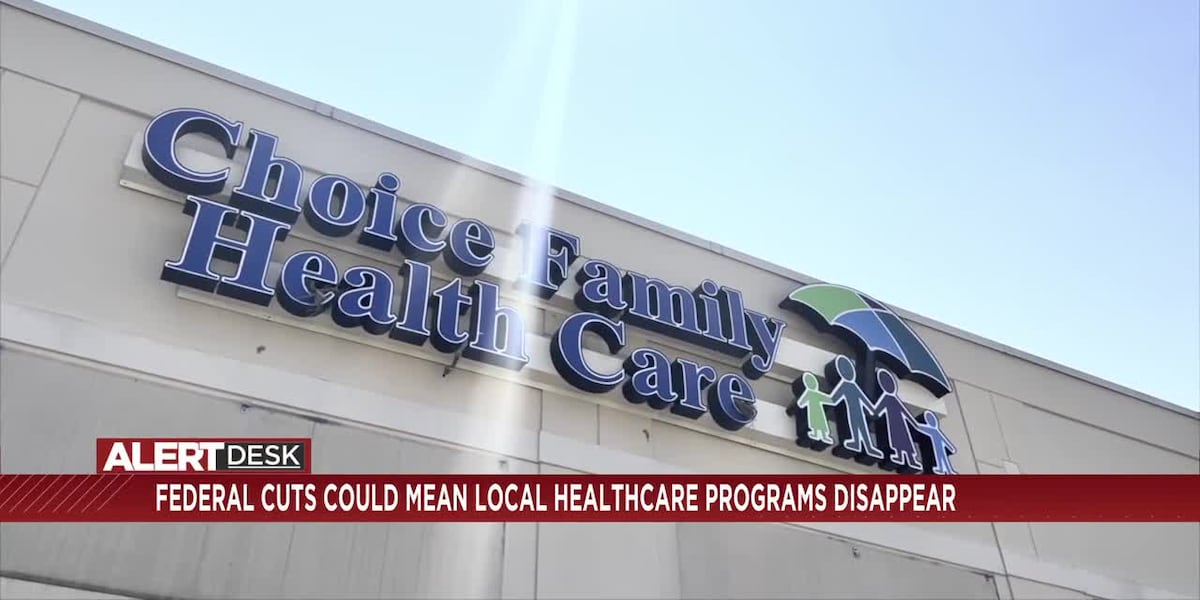
While CDHD is a government entity, nonprofit organizations are also concerned over funding cuts. Ryan King, Executive Director of Choice Family Health Care says that being a nonprofit, they’re used to having a hard time predicting funds, but yearly grants have now turned into monthly grants. Some grants were just frozen, but it is unknown if the rest of the promised money will be distributed.
“The tricky part with those is we have that funding currently,” said King. “But they’ve got us on a month to month basis. Normally, it’s a year. A year, you can plan ahead, you can talk with your staff and say, we’re good. But right now we’re kind of month to month, and so that just makes it difficult, not only for staff, but for what we can plan for in the future.”
Many nonprofits rely on federal grants to operate. Choice Family Health Care, which provides medical services to vulnerable women and children, said they may not be able to continue providing this care at little or no cost.
According to King, most of their clients are uninsured and in poverty. He added that if they are unable to secure the funding from the federal government, they will need it to come locally.
King says that even though most of their funding comes from the federal government, that funding is invested back in the Tri-Cities, which can really help the economy from things like doctors to maintenance workers.
The majority of Choice Family Health Care’s funding comes from a program called Title X, which is facing major cuts from DOGE. The state of Nebraska has gotten around half of the promised Title X funds this year, and doesn’t know if, or when, they will get the rest.
“Beyond that, we don’t know,” King said. “Title X covers over 30% of our budget. We have other grants we get from the federal government. We just lost another $95,000 last week in grants. As those build up, they just kind of compound upon themselves.”
The biggest struggle that these groups say they face is that this funding is being cut by DOGE under the guides of waste, fraud and abuse. They don’t see their spending as waste, fraud or abuse because they are helping people, and saving the government money down the road.
“We’re very conservative with our fiscal management,” Anderson said. “We want to assure that the dollars that come into us actually make a difference in our community. So as we develop these programs and implement these programs, we also implement a set of measures that tell us and the public this is what we did and this is what changed because of what we did.”
“The services we do, especially preventive services, are actually going to save your local community money and it’s going to save the federal government money,” King said. “You pay a little now in terms of grants to keep people healthy, or you eliminate those services and pay for their care later when it becomes more expensive. Every dollar you put into these type of services, you end up saving seven dollars later down the road. When people are looking at, do we need to invest in this type of services, either way, you’re going to.”
Anderson said trying to talk about preventative care being essential is hard, because people don’t often think about it until something goes wrong.
“We’re doing a good job if nobody knows we’re here,” Anderson said. “But we’ve had to change that too. We need to let people know the difference that we make. Prevention is hard to measure sometimes. A lot of times prevention is not valued, but when we can prevent a child from getting measles or we can prevent a long term care facility from going into shutdown because of the infection that’s rolling through there, then that’s valuable. That’s good stuff.”
Without funding, the free and low-cost preventative care these organizations provide may no longer exist. Anderson added that preventative care isn’t just about vaccines, it’s also disaster preparedness.
“One of the things we have to look at is where’s the funding going to come from for this particular program,” Anderson said. “And if there’s no funding there, then it’s very likely that that program will go away. So we’ve reduced in part our immunization staff so we have less folks here that are able to give shots. The other thing we’re looking at is our emergency response plan and we’re not certain yet what that funding looks like but it’s quite likely that we’ll have to make a cut there.”
The emergency rescue plan Anderson mentioned includes responses to disasters like tornadoes and floods.
“We do a lot of preparation for responding to, let’s say, outbreaks like measles, but also things like tornadoes and damage that comes with storms,” Anderson said.
While CDHD has faced some budget cuts and loss of grants, they have not had to lay off employees yet. However, not every department in the state isn’t so lucky.
Her biggest fear, though, when it comes to funding cuts is about what would happen to children if schools were unable to rely on their health department.
“When we don’t have the staff to communicate with them,” Anderson said. “And a school nurse calls us and says, ‘What am I gonna do with this child?’ Maybe we can’t answer the phone.”
We are reaching out to the Nebraska Congressional Delegation.
On Thursday afternoon, the House of Representatives passed H.R.4, which is a $9.4 billion dollar rescission package.
This proposal is from President Donald Trump to cancel previously approved federal funding.
According to a representative for Congressman Adrian Smith, H.R. 4, does not address Title X funding for nonprofit organizations. That bill focused primarily on foreign aid and public broadcasting.
We’ll continue to follow up with state delegation as bring you updates once we have them.
Click here to subscribe to our KSNB Local4 daily digest and breaking news alerts delivered straight to your email inbox.
Copyright 2025 KSNB. All rights reserved.
link